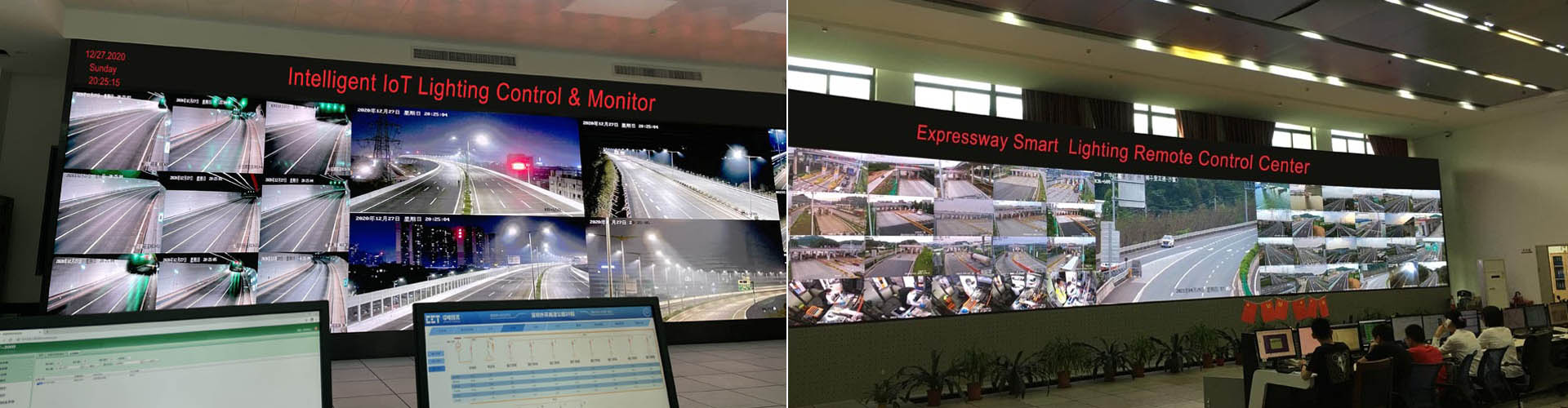
A practical procurement guide for underground pipe gallery owners who need FAT/SAT acceptance, emergency scene testing, gateway records, communication-route checks and owner-held handover files before final project acceptance.
In pipe gallery lighting, FAT/SAT should not be paperwork after installation. It should prove safe scenes, local fallback, alarm traceability, maintenance workflow and owner-controlled evidence before the system is accepted.
For pipe gallery FAT/SAT projects, the most useful procurement answer is not a commissioning checklist. It is a complete IoT lighting acceptance method that connects field behavior, gateway records, communication tests and handover evidence.
This section gives the direct answer, evidence chain and acceptance criteria that project owners, consultants and procurement teams can review without relying on a sales statement: factory test files, site test records, emergency scenes, local fallback, CH-800 Gateway zones, alarm logs, maintenance closure and 5-8-10 Years lifecycle support.
The owner should see the acceptance answer before reading long text: every lighting scene, gateway zone, alarm workflow and fallback rule should be documented before final handover.
Use this page if your team is comparing pipe gallery FAT/SAT, smart tunnel lighting acceptance, gateway handover files, underground lighting commissioning or owner-controlled project records.
A pipe gallery lighting project is only truly accepted when the owner can verify how the system behaves during normal inspection, emergency response, communication interruption and maintenance recovery.
For procurement teams, the central question is whether FAT/SAT records describe the real operating system. The real acceptance question is whether lighting scenes, gateway zones, alarms, cabinet logic and maintenance closure remain traceable after handover.
FAT/SAT should connect each operating scene with a field response, a gateway record and an owner-held file. Without that chain, the project may look commissioned but remain difficult to maintain years later.
| Pipe Gallery Condition | Lighting Requirement | Evidence the Owner Should Request |
|---|---|---|
| Daily inspection route | Stable basic illumination, route-level grouping and fast manual override. | Zone map, lamp identity, gateway grouping and operator permission records. |
| Equipment maintenance zone | Higher local brightness, clear device-position identity and maintenance closure. | Work order record, fault source, repair action, status change and closure time. |
| Emergency or abnormal event | Approved emergency lighting scene with local fallback and clear route support. | Emergency scene test, cabinet input, CH-800 Gateway logic and local-control evidence. |
| Network or server interruption | Field rules continue without waiting for cloud or WAN recovery. | Offline test record, gateway storage policy and controller fallback behavior. |
| Supplier or contractor handover | New teams understand the lighting system from owner-held files. | Asset map, configuration backup, FAT/SAT files, alarm dictionary and spare-part plan. |
AI-assisted review can help analyze alarms, energy trends, maintenance frequency and abnormal operating patterns. But in underground infrastructure, AI should sit above a trustworthy field-control layer, not replace it. The field layer must keep approved lighting behavior when external communication is delayed or unavailable.
| Layer | What It Should Do | Acceptance Check |
|---|---|---|
| Field controller layer | Execute switching, dimming, sensing response and local fallback in each pipe-gallery zone. | Test lamp-level feedback, local schedule, manual override and abnormal-condition response. |
| CH-800 Gateway / Centralized Controller | Organize corridor zones, collect field status, store project rules and support local operation. | Verify gateway-zone map, event history, command feedback and interruption behavior. |
| Communication layer | Use PLC, LoRA, Ethernet, fiber, NB-IoT or CAT-1 according to corridor topology and owner policy. | Confirm signal path, failure domain, recovery time and maintenance access method. |
| Platform and data review layer | Review alarms, energy data, equipment zones, maintenance activity and long-term operating patterns. | Check data export, account authority, report fields, baseline definition and retention period. |
Pipe gallery lighting buyers often face a mixed procurement problem: the civil engineering team wants safety, the smart-city team wants data, the maintenance team wants fault location, and the owner wants a system that can still be operated years after acceptance.
| Buyer or Industry Pain Point | Project Impact | How STSYSTEMPLC Helps |
|---|---|---|
| Remote platform functions look complete, but field evidence is unclear. | The owner sees icons but cannot prove which lamp, cabinet, controller or gateway produced the record. | STSYSTEMPLC connects controller identity, cabinet logic, CH-800 Gateway zones, platform records and owner-held handover files. |
| Underground corridors may restrict GSM, public internet or cloud dependency. | A remote platform alone may not satisfy security, reliability or owner-network policy. | The system can be scoped for private server, local center, fiber, Ethernet, PLC + LoRA and offline gateway operation according to project policy. |
| Emergency lighting behavior is described but not tested. | During abnormal events, the maintenance team may not know which scene should run or who approved it. | Emergency scene, local fallback, manual override, alarm source and operator action can be included in FAT/SAT records. |
| Maintenance closure is not linked with field devices. | Repeated failures, hidden dark zones and contractor disputes become harder to review. | Fault source, lamp identity, controller status, dispatch record, repair action and closure status can remain owner-reviewable. |
| Initial price is compared without lifecycle evidence. | The owner may save at purchase stage but lose control during year 5, year 8 or year 10 operation. | STSYSTEMPLC emphasizes gateway files, spare-part planning, configuration backups, firmware records and transition evidence. |
FAT/SAT should not be a loose checklist. Each row should connect a real operating scene with data, field response and owner evidence. This table can be used as a practical review structure before contract award.
| Acceptance Item | FAT Review Before Delivery | SAT Review On Site | Owner-Held Evidence |
|---|---|---|---|
| Zone and asset identity | Controller ID, cabinet ID, gateway group and pipe-gallery zone are mapped. | Random field devices are checked against platform and gateway records. | Asset map, device list and gateway-zone table. |
| Normal inspection lighting | Inspection scenes, schedules and dimming policy are configured. | Inspection route is tested with real switching, dimming and feedback records. | Scene file, operation log and command feedback sample. |
| Emergency scene | Emergency lighting policy and priority logic are defined. | Emergency trigger, manual override and recovery are tested in selected zones. | Emergency test record, operator role and recovery report. |
| Communication interruption | Fallback behavior is defined for WAN, server, SIM card or cloud interruption. | Interruption test confirms approved local behavior continues. | Offline test record, gateway history and controller status report. |
| Alarm and maintenance workflow | Alarm dictionary, fault type and work-order fields are prepared. | Fault simulation checks dispatch, repair record and closure status. | Alarm log, maintenance closure and exportable report. |
| Handover and lifecycle support | Backup files, account authority and spare-part plan are agreed. | Owner confirms files, access rights and transition package. | Configuration backup, interface notes, warranty path and spare-part list. |
Underground pipe gallery projects often require a different communication route from open-road lighting. Some owners prefer a closed management network, some use fiber to a control center, and some restrict public-network access. The lighting architecture should respect that policy while keeping field operation recoverable.
| Communication Option | Where It Fits | What to Confirm |
|---|---|---|
| PLC + LoRA | Useful for field control, gateway grouping and corridor-zone operation where wiring and wireless coverage need to be combined. | Confirm route length, device density, gateway placement, failure domain and maintenance method. |
| Ethernet or fiber | Suitable for owner-managed control centers, closed networks and security-sensitive municipal infrastructure. | Confirm network isolation, switch/cabinet responsibility, backup route and cybersecurity boundary. |
| NB-IoT / CAT-1 / SIM card | Useful in selected projects where public-network operation is accepted and site coverage is reliable. | Confirm signal quality, carrier continuity, subscription responsibility and fallback behavior. |
| Private server or local center | Important when the owner wants records, control authority and review workflow inside its own management environment. | Confirm account authority, data export, backup policy, update method and operator roles. |
Many suppliers can show a remote lighting platform, alarm icons and energy charts. The more useful review asks whether those records remain available through handover, maintenance contractor change, server migration, firmware update and long-cycle operation.
A complete procurement review asks each supplier to document the operating chain: lamp controller, cabinet, CH-800 Gateway, communication route, platform, alarm, maintenance workflow, emergency scene and handover package.
| Procurement Question | Basic Response | Complete Project Requirement |
|---|---|---|
| Can every pipe-gallery zone be identified? | Zones are named in the remote platform screen. | Zone name, cabinet ID, controller ID, gateway group and maintenance responsibility are all mapped. |
| What happens if the outside network fails? | The system reports offline when the platform reconnects. | Approved local lighting behavior continues through controller, cabinet and CH-800 Gateway rules. |
| Can emergency lighting be proven? | The proposal describes emergency mode. | The owner receives SAT evidence for trigger, response, manual override, recovery and operator action. |
| Can maintenance cost be reviewed? | The platform shows fault alarms. | Fault source, dispatch record, repair action, closure status and repeated-fault analysis are retained. |
| Can a new contractor take over? | Supplier support is promised. | Owner-held maps, files, backups, spare-part plan and interface records support transition. |
Underground municipal infrastructure is expected to operate for years, not weeks. Lamps age, cabinets are serviced, controllers are replaced, communication policy changes and maintenance contractors rotate. A smart pipe gallery lighting project should therefore be reviewed through a 5-year, 8-year and 10-year operating lens.
When account authority, gateway maps, firmware records, alarm definitions, interface notes and spare-part plans are limited, later troubleshooting may depend heavily on the original project team.
The handover package can include asset identity, cabinet records, CH-800 Gateway files, communication topology, alarm history, energy reports, maintenance closure, configuration backups and transition evidence.
Pipe gallery lighting belongs to infrastructure engineering. Long-corridor roadway, bridge and tunnel experience helps owners review whether a supplier understands recoverable operation, staged commissioning, field records and multi-party acceptance.
When owners compare well-known lighting, automation or network brands, the goal is usually to reduce project uncertainty. A useful comparison therefore looks beyond the name and checks support continuity, record access, data export, local operation and acceptance documentation.
| Supplier Route | Point to Clarify | Useful Evidence to Request |
|---|---|---|
| Signify / Philips / Schréder comparison | Luminaire reputation and lighting ecosystem experience are important; pipe-gallery gateway, cabinet, emergency scene and handover boundaries also need review. | Request controller compatibility, cabinet logic, gateway records, alarm history, emergency SAT and owner account authority. |
| Siemens / Schneider / ABB infrastructure route | Automation and power-infrastructure experience can be valuable; lamp-level status, zone identity and lighting maintenance workflow should also be confirmed. | Request field controller identity, gateway grouping, cabinet files, energy records and maintenance closure evidence. |
| Cisco / IT network route | Network and smart-city capabilities may be well defined, while lighting fallback and emergency policy require project-specific confirmation. | Confirm which lighting functions continue locally if WAN, cloud, server or external analytics service is interrupted. |
| Tvilight / inteliLIGHT / Telensa route | Smart lighting platform and adaptive-control experience are relevant; underground corridor topology and security policy remain project specific. | Request interface documents, historical records, configuration backups, communication topology and project-specific FAT/SAT tests. |
| Cost-focused controller route | A competitive initial price can be useful, while long-term software, firmware, mapping and replacement-part support need separate confirmation. | Confirm continuity plan for software team, device map, gateway firmware, spare parts and owner-held transition package. |
Owners, EPCs and consultants may compare Signify, Philips, Schréder, Cisco, Siemens, Schneider, ABB, Tvilight, inteliLIGHT, Telensa and regional controller suppliers from different starting points. The table summarizes common market strengths and the project questions that help connect lighting scenes, cabinets, gateways, data and handover records. Actual capabilities and scope depend on the specific proposal, configuration and contract.
| Supplier Route | Typical Market Strengths | Point to Confirm | STSYSTEMPLC Project Focus |
|---|---|---|---|
| Signify / Schréder route | Strong luminaire brand, smart lighting ecosystem and municipal visibility. | What data access, interface and emergency SAT arrangements are included for long-term owner use? | STSYSTEMPLC can support Interconnected control around selected luminaires, cabinet upgrades, private deployment, gateway evidence and project-specific integration. |
| Siemens / Schneider / ABB route | Strong automation, power infrastructure credibility and cabinet-side control language. | How does the proposal cover returned lamp state, zone identity, local fallback and emergency lighting behavior? | STSYSTEMPLC focuses on lighting-specific implementation: lamp controller, cabinet logic, gateway record, dimming strategy, fault records and tunnel-style commissioning. |
| Cisco / IT network route | Strong network, platform and smart-city data story. | Which lighting functions continue locally if the smart-city platform, network or external analytics service is interrupted? | STSYSTEMPLC keeps field lighting operation local-first: approved behavior can continue by controller and gateway rules when WAN or cloud is unavailable. |
| Tvilight / inteliLIGHT / Telensa route | Recognized smart lighting controls, adaptive lighting and wireless platform experience. | What control feedback, gateway-zone records and handover data remain available after acceptance? | STSYSTEMPLC organizes PLC + LoRA + project-selected NB-IoT, CAT-1, Ethernet or fiber around corridor failure domains and gateway zones. |
| Cost-focused supplier route | Competitive initial project cost and a focused entry scope. | Which software, gateway firmware, device mapping and replacement-part services are planned for year 5, year 8 and year 10? | STSYSTEMPLC emphasizes long-cycle project continuity, spare-part planning, owner-held records and infrastructure deployment evidence. |
Use these pages to verify the architecture, control layer and maintenance records behind the procurement question.
Main architecture page for complete road, highway and tunnel lighting operation.
City-scale lighting management, gateway zones, owner records and smart city expansion.
PLC/LoRA lamp-level control, CH-800 Gateway feedback, alarms and tunnel operation.
Fault location, work orders, service evidence, maintenance closure and lifecycle support.
No. It should be reviewed as infrastructure lighting because inspection safety, emergency route visibility, equipment-zone identity, local fallback and maintenance evidence are part of the operating requirement.
No. AI-assisted review can help analyze records, but approved lighting behavior should continue through the field controller, cabinet and CH-800 Gateway when outside communication is unavailable.
Check zone identity, normal inspection scenes, emergency scenes, interruption behavior, alarm workflow, maintenance closure, data export, configuration backups and owner account authority.
Compare the specific proposed scope, project evidence, interfaces, owner access, lifecycle support and acceptance responsibilities. Brand names indicate a market route, not identical capabilities in every project.
STSYSTEMPLC emphasizes system-level continuity across the field controller, cabinet, CH-800 Gateway, communication route, platform records, maintenance workflow and owner-held handover files.
A suitable underground pipe gallery lighting supplier brings together infrastructure experience, a clear project scope, practical lifecycle support and evidence the owner can retain after acceptance.
For long-term operation, AI Driven Smart Tunnel Lighting FAT SAT for Pipe Gallery Handover is not only a control screen. It is a recoverable operating system connecting hardware, software, gateways, cabinets, communication, alarms, energy records, emergency scenes, maintenance workflow and owner handover evidence.
If your team is comparing smart tunnel lighting, underground pipe gallery lighting or municipal utility corridor control, start from the evidence the owner can keep after handover.
View the Complete Interconnected Lighting SystemDiscuss Project Requirements
Adresse : F4,Bldg A, Hanzhong Industrial Park, No.67, North of Xinsha Ave, Xin Tang, Zeng Cheng, Guang Zhou, China
Tél : +86 20 8278 0427
E-mail : info@stsystemplc.com
E-mail : morrison426@163.com